
- What the IT Band Actually Is
- What Actually Causes IT Band Syndrome
- Why the Standard Advice Fails
- The Rally Point Health and Rehab Approach to IT Band Syndrome
- IT Band Syndrome in Court Sport and Racket Sport Athletes
- How Long Does IT Band Syndrome Take to Resolve?
- Preventing IT Band Syndrome: Building a Lateral Knee That Lasts
- Frequently Asked Questions
- Ready to Start Your Recovery?
Article Summary: IT band syndrome is one of the most common and most frustrating overuse injuries affecting runners, cyclists, and court sport athletes. It is also one of the most consistently mismanaged. The standard advice to stretch the IT band, foam roll it, rest it, is based on a fundamental misunderstanding of what the IT band actually is and what drives the pain. This article sets the record straight on IT band syndrome: what it is, why it develops, why stretching alone will not resolve it, and what a genuinely effective treatment approach looks like. Written by Dr. Nicholas Cheng of Rally Point Health and Rehab, the only RacquetFit Certified healthcare provider in Canada, serving Markham, Unionville, Richmond Hill, Scarborough, North York, and the GTA.
If you are dealing with outer knee pain, you have likely tried the standard playbook: weeks of dedicated stretching, agonizing foam rolling sessions, temporary rest, and ice. But despite following all the conventional advice, the breakdown remains entirely predictable. Like clockwork, the pain returns at the exact same point in every run, ride, or match, proving that treating the symptoms isn’t fixing the underlying mechanical issue.
If that sounds familiar, you are not alone. And you are not doing anything wrong. You are simply working from an incomplete understanding of what IT band syndrome actually is.
At Rally Point Health and Rehab, Iliotibial (IT) band syndrome is one of the most frequent presentations we see in runners, cyclists, and court-sport athletes. It is also one of the conditions most consistently mismanaged before patients reach our doors;largely because the conventional advice they have been following completely misses the actual mechanical root cause.
Here is why.
What the IT Band Actually Is
The iliotibial band is not a muscle. That distinction matters more than most patients realize, because the management strategies that work for tight muscles do not work for the IT band.
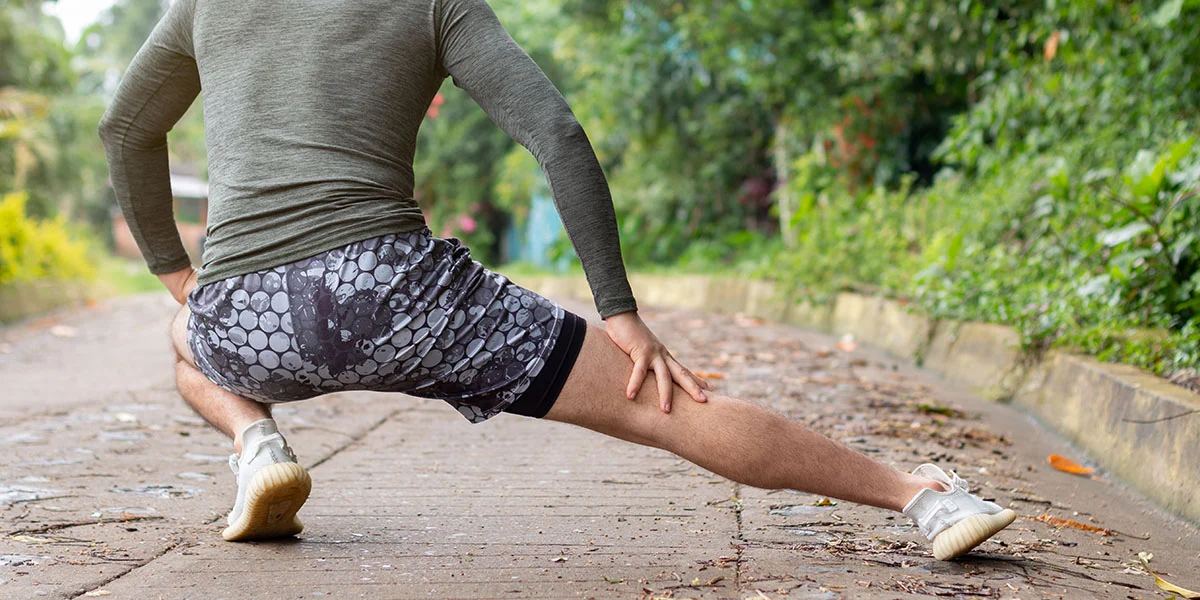
The IT band is a thick, fibrous band of connective tissue that runs along the outside of the thigh from the iliac crest of the pelvis, past the greater trochanter of the hip, down the lateral thigh, and across the lateral knee where it attaches to the tibia at Gerdy’s tubercle. It is one of the densest and most mechanically resilient soft tissue structures in the human body.
Because it is connective tissue rather than muscle, the IT band does not stretch in any meaningful clinical sense. Its stiffness is a structural property, not a state of tension that can be released through prolonged stretching or foam rolling. Research measuring the mechanical properties of the IT band has demonstrated that the deformation produced by typical stretching and foam rolling protocols is negligible relative to the band’s overall length and stiffness.
This is not a minor academic distinction. It is the reason that stretching-based management of IT band syndrome produces temporary symptomatic relief at best.
What Actually Causes IT Band Syndrome
If the IT band cannot be stretched into relief, what is actually driving the pain?
Over the past two decades, the scientific literature on this condition has shifted dramatically. The historical model of IT band syndrome described the pain as friction caused by the IT band repeatedly rubbing over the lateral femoral condyle during knee flexion and extension. This friction syndrome model has been largely replaced by a more accurate framework: IT band ‘compression syndrome’.
At approximately 30 degrees of knee flexion, a highly innervated fat pad of connective tissue that sits beneath the IT band at the lateral knee is compressed between the IT band and the lateral femoral condyle. Repeated compression of this fat pad during the repetitive knee flexion and extension of running, cycling, or court movement is now understood to be the primary driver of the pain signal in IT band syndrome.
This explains why IT band syndrome pain appears consistently at a specific point in the gait cycle rather than throughout the entire range of motion, and why it tends to worsen as a session continues as the compressive stress accumulates.
It also explains why stretching the IT band, even if it were mechanically possible, would not address the compression mechanism driving the pain.
So What Drives the Compression?
This compressive loading on the lateral femoral condyle fat pad is a downstream consequence of upstream mechanical and strength deficits. The most clinically significant contributors include:
Hip Abductor Weakness
The gluteus medius and tensor fascia latae are the primary hip abductors. When these muscles are weak or poorly activated, the femur/hip drops and adducts during the loading phase of every stride, increasing the valgus stress at the knee and amplifying the compressive load on the lateral knee structures. Weak hip abductors are the single most consistent finding in runners with IT band syndrome and the single most important target for lasting resolution.
Altered Running or Movement Mechanics
Overstriding, excessive hip drop, contralateral pelvic tilt, and foot crossover patterns all increase the mechanical load on the lateral knee with every repetition. For a runner accumulating hundreds of thousands of strides per week, even small mechanical inefficiencies translate into enormous cumulative compressive stress.
Training Load Errors
Rapid increases in running volume, sudden changes to surface or terrain, and inadequate recovery between sessions are among the most common triggering factors for IT band syndrome. The condition is fundamentally a load management failure, and addressing the load in isolation from the biomechanical contributors is insufficient for lasting resolution.
Foot and Ankle Mechanics
Excessive pronation alters tibial rotation during the loading phase of the gait cycle, increasing the valgus stress transmitted to the lateral knee. For runners with significant foot pronation, custom orthotics can be a highly meaningful component of comprehensive IT band syndrome management by optimizing lower-limb alignment and reducing stress on the lateral structures.
Restricted Hip Mobility
Reduced hip internal rotation and hip flexor tightness alter pelvic mechanics during running and increase the tensile load transmitted through the IT band to the lateral knee. Hip mobility deficits are a frequently overlooked contributor to IT band syndrome, particularly in athletes who spend significant time seated during the working week.
Why the Standard Advice Fails
Once you understand what actually drives IT band syndrome, it becomes glaringly obvious why standard treatment approaches fail.
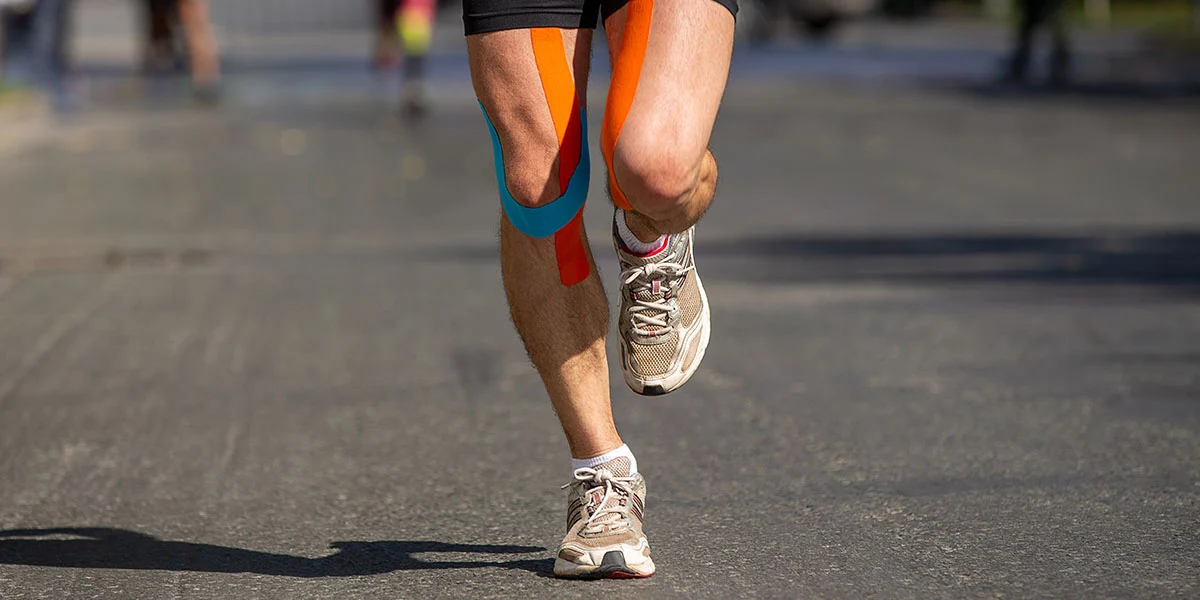
Stretching the IT band does not produce meaningful mechanical change in the band’s length or stiffness. It may temporarily reduce the sensation of tightness in the surrounding musculature, which can provide brief symptomatic relief, but it does not address the compression mechanism, the hip abductor weakness, or the movement pattern deficits that are driving the condition.
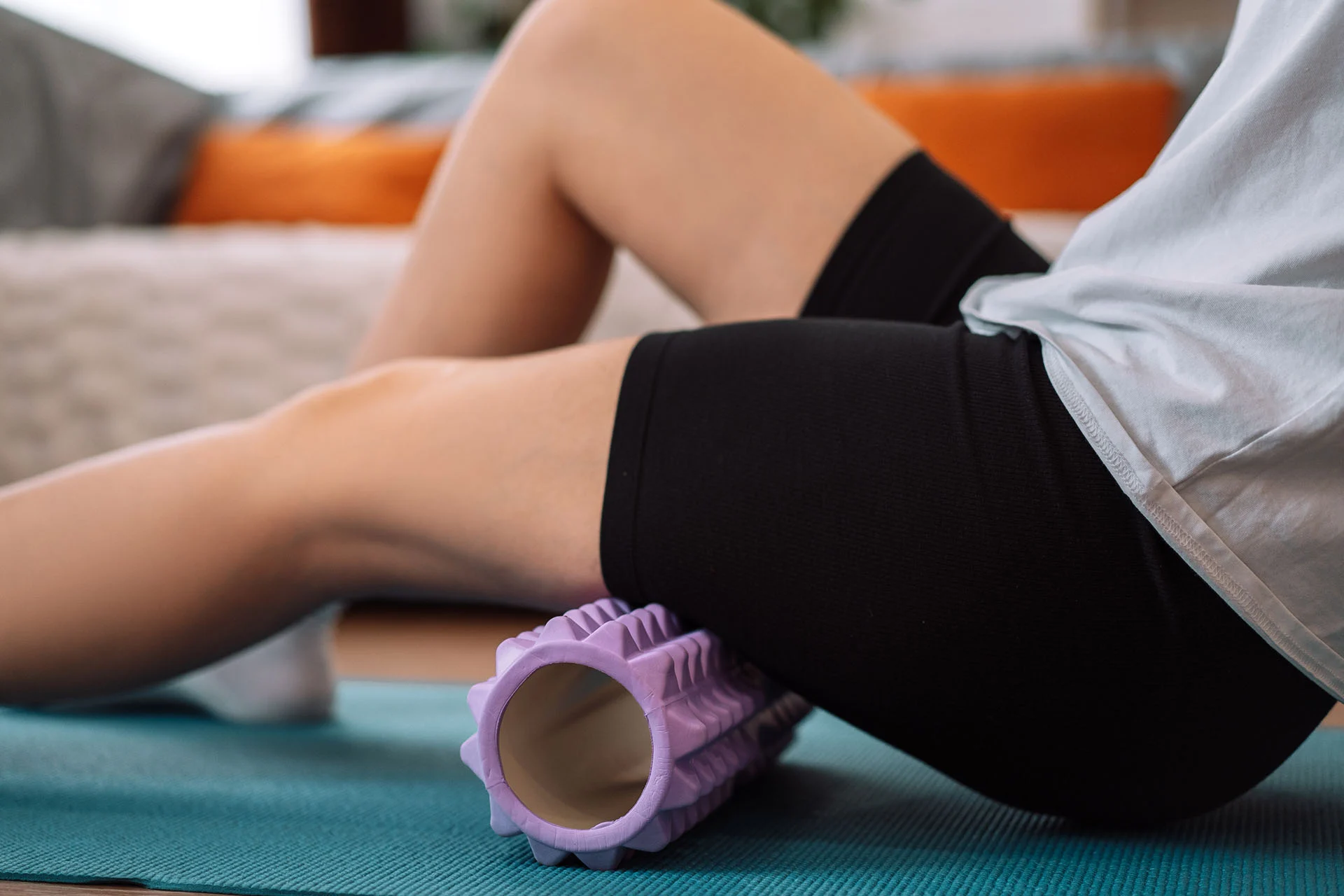
Foam rolling the IT band produces a similar result. The mechanical pressure of foam rolling may temporarily alter the pain signal through neurological mechanisms, but the structural properties of the IT band mean that no meaningful tissue change is occurring. Foam rolling the muscles of the lateral hip and gluteal region is far more clinically productive than foam rolling the IT band itself.
Rest alone removes the compressive stimulus temporarily, which is why symptoms improve during periods of reduced activity. But it does nothing to address the strength deficits, movement pattern errors, or training load habits that drove the condition in the first place. Return to sport without addressing those contributors produces the same outcome: the pain comes back, often within the first few sessions.
Generic physiotherapy or massage directed at the IT band itself, rather than the hip, pelvis, and movement mechanics driving the compression, follows the same logic and produces the same incomplete results.
The missing piece in most IT band syndrome management is a thorough assessment of the full kinetic chain, from the foot to the hip to the pelvis, combined with targeted treatment and progressive rehabilitation addressing the specific contributors identified in that assessment.
The Rally Point Health and Rehab Approach to IT Band Syndrome
At Rally Point Health and Rehab, we treat IT band syndrome as the kinetic chain condition it truly is. The lateral knee is simply where the pain lives; but it is rarely where the problem starts.
Full Kinetic Chain Assessment
Dr. Nicholas Cheng begins every IT band syndrome case with a comprehensive assessment of the hip, pelvis, knee, foot, and ankle complex. Movement screening, hip strength testing, gait analysis, and orthopedic evaluation of the knee identify the specific biomechanical contributors driving the compression in each individual patient. No two IT band syndrome cases present identically. The treatment plan should not be identical either.
Where foot mechanics are identified as a contributing factor, a custom orthotic assessment is integrated into the initial evaluation. Dr. Cheng assesses foot function as a routine component of every lower extremity presentation at Rally Point Health and Rehab.
Hands-On Treatment
Depending on the specific findings of the assessment, your treatment plan may include:
Chiropractic adjustments to the hip, lumbar spine, sacroiliac joint, and knee to restore optimal joint mechanics and address the restricted mobility that alters load distribution through the lateral knee structures.
Soft-tissue therapy targeting the hip abductors, tensor fascia latae, gluteal musculature, and lateral quadriceps to release the muscular tension and trigger points that contribute to altered IT band tension and lateral knee compression. Instrument-assisted soft-tissue mobilization and myofascial release techniques are particularly effective for the dense connective tissue structures of the lateral thigh.
Acupuncture for pain relief, reduction of local inflammation at the lateral knee fat pad, and trigger point release in the hip and thigh musculature contributing to altered IT band mechanics.
Custom orthotics where foot pronation or supination is contributing to abnormal tibial rotation and lateral knee loading.
Progressive Hip and Gluteal Rehabilitation
This is the single most critical component of a lasting IT band resolution; and it is the exact step most consistently missing from standard management protocols.
Dr. Cheng builds progressive hip abductor and gluteal strengthening programs that directly address the weakness patterns identified in the assessment. The rehabilitation pathway progresses systematically: beginning with isolated hip abductor recruitment, it advances into functional, load-bearing, and sport-specific movement patterns as strength and neuromuscular control improve.
Eliminating your current symptoms is merely the first step. The ultimate goal is to engineer a resilient mechanical environment at the knee through targeted hip strength and neuromuscular control, shifting the trajectory of your recovery so that future recurrence is off the table.
Running and Movement Mechanics Assessment
For runners and court-sport athletes whose movement signatures drive lateral knee loading, Dr. Cheng utilizes motion-specific assessments and real-time biomechanical cuing. Dysfunctions like overstriding, dynamic hip drop, and crossover gait patterns are entirely modifiable with the right clinical guidance. Correcting these errors fundamentally alters the compressive forces on the lateral knee, achieving a permanent mechanical shift that no amount of passive stretching or foam rolling could ever replicate.
IT Band Syndrome in Court Sport and Racket Sport Athletes
While IT band syndrome is traditionally viewed as a runner or cyclist’s injury, it is a highly prevalent, and frequently overlooked, presentation in court and racket sport athletes.
The rapid direction changes, lateral loading, and the split-step mechanics of pickleball, tennis, squash, and basketball all generate the repetitive knee flexion and extension cycles that load the lateral knee fat pad. In athletes who also have the hip abductor weakness and the movement pattern deficits described above, the compression accumulates across a session in exactly the same way it does for runners.
At Rally Point Health and Rehab, Dr. Cheng evaluates IT band syndrome through the elite lens of his RacquetFit Certification, standing as Canada’s only certified provider with this specialized designation. His comprehensive assessment dissects court-specific movement signatures, multi-directional footwork mechanics, and the unique, explosive loading demands that distinguish a tennis or pickleball player’s lateral knee stress from that of a straight-line runner.
If you are a court sport or racket sport athlete in Markham, Richmond Hill, Scarborough, North York, or Unionville dealing with lateral knee pain that has not responded to standard management, a sport-specific assessment at Rally Point Health and Rehab is a meaningful next step.
How Long Does IT Band Syndrome Take to Resolve?
Individual recovery timelines are dictated by several critical variables: the chronicity of the condition, the severity of foundational hip strength deficits, and compliance with the progressive rehabilitation program.
Cases caught early often respond within six to eight weeks when managed with immediate load modification and targeted hip rehabilitation. Conversely, chronic presentations, which are characterized by profound hip weakness, deeply ingrained movement dysfunctions, and structural changes at the lateral knee typically require twelve to sixteen weeks of consistent, progressive rehabilitation to achieve a full, lasting resolution.
Ultimately, the most reliable predictor of your outcome is not the severity of your initial knee pain. It is the thoroughness with which your hip strength and movement mechanics are corrected, combined with your consistency in executing the loading program between clinic sessions.
Preventing IT Band Syndrome: Building a Lateral Knee That Lasts
For runners, cyclists, and court sport athletes who want to prevent IT band syndrome or prevent its recurrence after recovery, the evidence points consistently to the same things.
Build hip abductor strength proactively. Integrating single-leg Romanian deadlifts, lateral band walks, single-leg squats, and targeted hip abduction exercises into a regular training routine builds the gluteus medius strength necessary to protect the lateral knee under load. Dedicating just two to three sessions per week to these movements is highly effective, providing the structural and neuromuscular adaptations needed to shield the joint from excessive stress.
Address your running mechanics. Increasing your running cadence by five to ten percent, reducing your stride length, and focusing on landing with your foot closer to your body’s center of mass reduces the peak loading forces at the lateral knee with every stride. These are simple mechanical adjustments that most runners can implement immediately.
Manage your training load intelligently. Rapid volume increases are among the most consistent triggers for IT band syndrome in previously healthy athletes. Increase weekly mileage or court time by no more than ten percent per week and build in adequate recovery between high-volume sessions.
Foam roll the right things. Foam rolling the lateral hip, gluteal region, and tensor fascia latae are far more productive than foam rolling the IT band itself. Target the muscles that influence IT band tension rather than the band itself.
Get your feet assessed. If you have a significant pronation pattern that has not been addressed with appropriate footwear or orthotics, it is a contributor worth evaluating. A custom orthotic assessment at Rally Point Health and Rehab takes the guesswork out of whether foot mechanics are playing a role in your lateral knee loading.
Frequently Asked Questions
Stop Stretching. Start Solving.
IT band syndrome does not resolve through stretching. It resolves through a thorough assessment of the full kinetic chain, targeted hands-on treatment, and progressive hip rehabilitation that builds the strength and movement quality that protects the lateral knee under load.
Rally Point Health and Rehab is ready to help you get there. Book a free 15-minute consultation today. Call or text (647) 780-8703. No referral required.
Dr. Nicholas Cheng is the founder of Rally Point Health and Rehab, a chiropractic and rehabilitation clinic located inside South Unionville Health Centre in Markham, ON. He is the only RacquetFit Certified healthcare provider in Canada and a Level 1 Certified Pickleball Coach, with hands-on experience treating athletes and active individuals across Markham, Unionville, Richmond Hill, Scarborough, North York, and the GTA.