
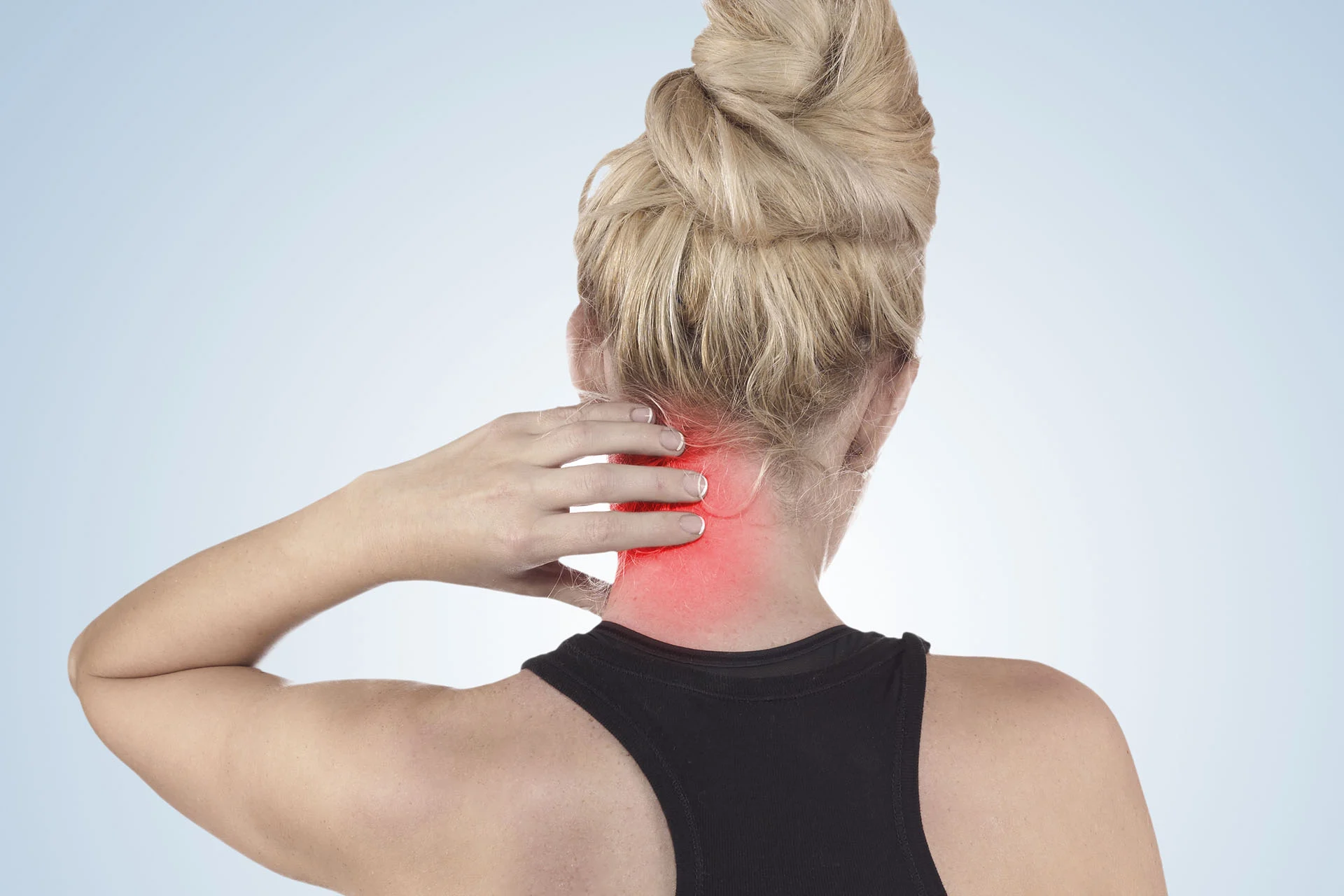
Article Summary: Cervicogenic headaches are among the most frequently misdiagnosed pain conditions in Canada. Countless patients spend months chasing the wrong treatment; attempting to manage symptoms originating in the cervical spine with medications designed for migraines or tension-type headaches, only to wonder why they find no relief. This article breaks down what a cervicogenic headache actually is, how to differentiate it from other types of headaches, why it is so commonly overlooked, and why evidence-supported chiropractic care is one of the most effective solutions available. Written by Dr. Nicholas Cheng of Rally Point Health and Rehab, the only RacquetFit Certified healthcare provider in Canada, serving Markham, Unionville, Richmond Hill, Scarborough, North York, and the GTA.
You have cycled through the painkillers. You have cut down screen time, forced yourself to hydrate, and meticulously tracked every possible trigger in a journal. You have been told it is just tension, or stress, or perhaps a stubborn migraine. Yet, the pain returns with frustrating predictability – always striking from the exact same spot, following the same agonizing pattern, and triggered by the same ordinary movements or postures.
What if the problem was never in your head?
Cervicogenic headaches originate in the cervical spine. They are driven by dysfunction in the joints, muscles, and nerves of the neck, and they refer pain upward into the head in patterns that closely mimic tension headaches, migraines, and other types of headaches. They represent one of the most frequently misdiagnosed pain conditions in musculoskeletal healthcare; yet, with the right clinical approach, they are also among the most effectively treated.
At Rally Point Health and Rehab, cervicogenic headaches are a primary focus of the specialized spinal care Dr. Nicholas Cheng delivers every week. For patients who have spent months or years managing headaches with zero resolution, his comprehensive cervical spine assessment rewrites the clinical picture; shifting the focus from masking symptoms to fixing the physical root cause.
Here is what you need to understand about cervicogenic headaches before your next appointment.

What Are Cervicogenic Headaches?
The term cervicogenic means originating from the cervical spine. A cervicogenic headache is a secondary headache disorder, meaning the headache is a symptom of an underlying structural or mechanical problem rather than a primary neurological or vascular condition.
The pain originates from nociceptive, or pain-signaling, inputs within the structural tissues of the upper neck, including the cervical joints, the suboccipital muscles, the nerve roots, and the surrounding connective tissues.Because the nerves of the upper cervical spine share a deep anatomical pathway with the sensory nerves of the head and face, these pain signals are referred upward. This structural overlap essentially tricks the brain, causing it to misinterpret mechanical stress and dysfunction in your neck as a localized headache.
This unique neural overlap is the exact anatomical reason why a mechanical neck issue produces real head pain.Because these pathways are intertwined, the brain simply attributes the incoming stress to the head rather than its true source in the spine. Ultimately, a cervicogenic headache is a classic referral pattern; a problem of faulty signaling from the neck, not a structural issue inside the skull itself
The upper cervical segments, specifically C1, C2, and C3, are the most commonly implicated levels in cervicogenic headache. Joint dysfunction, disc irritation, muscular trigger points, and nerve root irritation at these levels are the primary drivers of the referred pain pattern.
How Common Are Cervicogenic Headaches?
They are far more common than most patients, and even many healthcare providers,realize.
Current research literature estimates that cervicogenic headaches account for roughly 15% to 20% of all chronic headache cases. Furthermore, this prevalence spikes dramatically among individuals with a history of neck injuries or whiplash, as well as those subjected to prolonged postural stress, such as desk-bound professionals.
Markham’s prominent professional and technology sectors mean a significant portion of our local community is uniquely vulnerable to this condition. Hours of sustained forward-head posture at a computer workstation place the upper cervical joints, suboccipital muscles, and nerve roots under the exact type of chronic mechanical strain that triggers these headaches. Ultimately, “text neck” is not just an isolated neck issue; for a vast number of patients, it is the direct driver of their chronic headaches.
How Cervicogenic Headaches Differ From Other Headache Types
Accurate diagnosis is the foundation of effective treatment. Cervicogenic headaches share features with several other headache types, which is why it is commonly misdiagnosed. Identifying these differentiating features is essential for establishing an accurate diagnosis and a targeted clinical pathway.
Cervicogenic Headaches vs. Tension Type Headaches
Tension type headaches typically produce a bilateral, band-like pressure sensation around the head. They are driven primarily by pericranial muscular tension and do not typically have a strong directional pattern from the neck. Cervicogenic headaches, by contrast, are typically unilateral, tend to originate at the base of the skull or the upper neck, and are consistently triggered or worsened by specific neck movements or sustained postures.
Differentiating between the two is crucial for clinical success. Tension-type headaches typically yield to stress reduction, lifestyle adjustments, and soft-tissue therapy focused on the pericranial musculature. In contrast, a cervicogenic headache demands specialized, localized care aimed directly at correcting dysfunction within the joints and segments of the cervical spine.
Cervicogenic Headaches vs. Migraines
Migraines are a primary neurological disorder characterized by cortical spreading depression and activation of the trigeminovascular system. They typically manifest as severe, pulsating, unilateral (one-sided) head pain frequently accompanied by nausea, photophobia (light sensitivity), and phonophobia (sound sensitivity), and may be preceded by a visual aura. A true migraine does not originate from cervical spine dysfunction.
It is important to note, cervicogenic headaches and migraines frequently coexist in the same patient, creating a complex clinical presentation. Neck stiffness and muscle guarding that naturally accompany a severe migraine flare-up can easily make differentiating the two challenging. A targeted physical evaluation, specifically designed to see if manual palpation and mechanical stress on the cervical segments actively reproduce the head pain, is the key to differentiating the two.
Cervicogenic Headaches vs. Occipital Neuralgia
Occipital neuralgia involves irritation or compression of the greater or lesser occipital nerves, producing a sharp, shooting, or electric pain in the back of the head. It can be mistaken for cervicogenic headache because both conditions originate in the back of the head and upper neck region. Occipital neuralgia tends to produce a more neuralgic (severe, spams-like), shooting pain rather than the dull, referred ache of cervicogenic headache, and it is typically tender where the occipital nerve exit at the base of the skull.
Recognizing Cervicogenic Headaches: The Key Clinical Features
When evaluated with a thorough history and physical examination, cervicogenic headaches reveal a distinct clinical profile that separate them from other kinds of headaches. Key features include:
Unilateral pain that does not usually shift sides. The headache predominantly affects the same side of the head and typically originates at the base of the skull or upper neck before spreading forward toward the eye, temple, or forehead.
Pain provoked by neck movement or sustained posture. The headache is directly exacerbated by cervical spine movement, such as turning the head or looking up and down, or by sustained mechanical loading from forward head posture. This clear link between neck mechanics and head pain is highly useful diagnostically, revealing a spinal origin that most patients entirely overlook.
Restricted cervical range of motion. A noticeable loss of neck rotation or side bending on the affected side typically accompanies the headache.
Reproduction of headaches during a cervical spine examination. Pressure applied to the upper cervical joints or suboccipital musculature on the affected side reproduces the patient’s headache.
Associated neck pain and stiffness. Cervicogenic headaches are almost always accompanied by neck pain and stiffness on the same side as the headache.
Gradual onset following a period of sustained posture or neck loading. Many patients notice that their headaches develop during or after prolonged desk work, driving, or screen use. This postural trigger is a hallmark of cervicogenic headaches.
What Drives Cervicogenic Headaches?
Cervicogenic headaches are a symptom. Understanding the structural and mechanical drivers behind that symptom is the foundation of effective treatment.
Upper Cervical Joint Dysfunction
Restricted or dysfunctional movements in the C1-C2 or C2-C3 joints are the most common structural driver of cervicogenic headache. The joint capsules, ligaments, and surrounding soft tissues at these levels are deeply innervated. When their normal mechanics are disrupted, the nociceptive input generated is referred upward towards the head.
Suboccipital Muscular Tension and Trigger Points
The suboccipital muscles sit at the base of the skull and play a critical role in fine motor control of the head on the neck. When they develop sustained tension or myofascial trigger points, the referred pain pattern from these muscles travels directly into the back of the head, the temple, and behind the eye in a pattern that closely mimics both tension type headaches and migraines.
Forward Head Posture and Tech Neck
For every inch the head shifts forward from its neutral alignment, the effective weight on the cervical spine increases by roughly 10 pounds. This chronic forward-head posture compresses the upper cervical joints, tightens and shortens the suboccipital muscles, and creates the exact mechanical strain that triggers cervicogenic headaches in desk workers, students, and screen dependent professionals.
In a technology driven workforce like Markham’s, this remains one of the most prevalent yet clinically overlooked drivers of chronic headaches.
Whiplash and Cervical Trauma
Post-traumatic cervicogenic headache is a well-documented side effect of motor vehicle accidents and other cervical traumas. The capsular ligament sprains, joint surface microtrauma, and muscular tears sustained during a whiplash event generate persistent pain signals that drive chronic headaches, particularly in patients whose injuries were inadequately managed during the acute phase
Cervical Disc Pathology
Disc lesions or herniations within the upper cervical segments can trigger referred head pain, driven either by direct nerve root irritation or secondary mechanical dysfunction in the surrounding joints and muscles. This presentation is typically accompanied with localized neck pain and can manifest with distinct neurological signs if nerve root compression is significant.
Sport-Related Cervical Loading
Racket sport athletes, contact sport participants, and overhead athletes subject the cervical spine to repetitive, high-velocity forces that can trigger the joint dysfunction and myofascial trigger points underlying cervicogenic headaches. For pickleball and tennis players, the intense rotational movement forced upon the upper neck during stroke mechanics makes this an overlooked condition. When athletic activity and neck stiffness consistently trigger head pain, a targeted cervical assessment is highly warranted.
Why Cervicogenic Headaches Are So Frequently Missed
Despite their prevalence, cervicogenic headaches are consistently underdiagnosed. Several factors contribute to this.
The pain is in the head, not the neck. Because the primary symptom presents in the head rather than the neck, patients naturally report a headache, not a neck issue. Without a systematic examination of the cervical spine as the potential driver, the neck is entirely overlooked, and the true diagnosis is missed.
Cervicogenic headaches mimic other headache types. The referred pain from a cervicogenic headache frequently mimics that of a tension type headache or migraine. Unless a clinician performs targeted mechanical testing to replicate the patient’s familiar symptoms, the correct distinction is missed, and care defaults to generic, non-structural management.
Imaging often misses the relevant findings. The joint dysfunction, muscular trigger points, and postural contributors that drive most cervicogenic headaches are not visible on standard imaging.
Most people do not realize that neck nerves and head nerves share a common pathway in the spine, which is why cervicogenic headaches are so frequently missed in primary care. When upper neck joints are restricted, their pain signals travel into a neurological hub that also handles sensation for the face and head. The brain gets confused by this overlap, interpreting a neck issue as a headache. As musculoskeletal specialists with advanced training in cervical spine biomechanics, chiropractors are uniquely positioned to accurately diagnose and resolve this mechanical pattern.
Why Chiropractic Care Is One of the Most Effective Treatments for Cervicogenic Headaches
The evidence base for chiropractic care in the management of cervicogenic headaches is substantial and consistent. Multiple high-quality randomized controlled trials and systematic reviews have demonstrated that spinal manipulation and mobilization directed at the cervical spine produces meaningful reductions in headache frequency, intensity, and duration for those with cervicogenic headaches.
A landmark randomized controlled trial published in the journal Spine demonstrated that cervical spinal manipulation produced significantly better outcomes for cervicogenic headache than either soft-tissue therapy or daily exercise alone. A subsequent Cochrane review on manual therapy for cervicogenic headache concluded that spinal manipulation is an effective treatment option with a favorable risk-benefit profile for appropriately assessed patients.
Chiropractic care is effective for cervicogenic headaches because it addresses the structural and mechanical drivers directly, not just the symptom.
The Rally Point Health and Rehab Approach to Cervicogenic Headaches
At Rally Point Health and Rehab, a cervicogenic headache assessment and treatment is built on a thorough clinical framework that goes beyond asking where the pain is and starts asking why it is there.
Comprehensive Assessment
Dr. Nicholas Cheng conducts a detailed cervical spine and headache assessment for every patient presenting with headache as a primary or secondary complaint. The assessment includes:
A thorough history covering location, character, onset, duration, triggers, associated symptoms, and previous treatment history. The goal is to build a complete picture of the headache pattern and identify the features that distinguish cervicogenic headache from other headache types.
Cervical spine examination including an assessment of range of motion, joint mobility, segmental provocation testing, and palpation of the upper cervical joints and suboccipital musculature. Reproduction of the patient’s headache through cervical examination is one of the most diagnostically specific findings available in a clinical setting.
Neurological screening to identify any neurological signs that would indicate a more serious underlying pathology requiring imaging or specialist referral..
Postural assessment to identify the forward head posture, cervical hyperkyphosis, and thoracic stiffness patterns that contribute to the sustained mechanical loading driving upper cervical dysfunction.
Hands-On Treatment
The treatment plan for cervicogenic headache at Rally Point Health and Rehab is targeted at the specific structural and mechanical drivers identified in the assessment. Depending on your presentation, your care may include:
Chiropractic adjustments directed at the upper cervical joints, most commonly C1-C2 and C2-C3, to restore normal segmental mobility, reduce nociceptive input, and interrupt the pain referral pattern driving the headaches. The research evidence for cervical manipulation in cervicogenic headache is among the strongest available for any manual therapy intervention in headache management.
Soft-tissue therapy targeting the suboccipital musculature, cervical paraspinals, and upper trapezius to release the myofascial trigger points and sustained muscular tension that contribute to upper cervical joint loading and headache referral patterns.
Acupuncture for pain relief, muscular tension release, and nervous system modulation. Acupuncture directed at the suboccipital region, cervical paraspinals, and relevant distal points is a well-supported component of cervicogenic headache management with a strong evidence base in the scientific literature.
Thoracic spine mobilization or manipulation directly targets mid back stiffness, which frequently forces the upper cervical spine to overcompensate. By restoring normal thoracic mobility, we significantly reduce the mechanical demands placed on the upper neck segments, establishing the structural foundation necessary for lasting symptom resolution.
Progressive Rehabilitation and Postural Retraining
Relieving the acute headache is just the opening serve. Building a cervical spine resilient enough to withstand daily postural and mechanical stress is how we win the match.
Dr. Cheng builds progressive cervical strengthening, deep neck flexor activation, and postural retraining programs that address the muscular deficits and postural habits underlying the headache. These programs are built around your specific findings, your occupation, your sport, and your daily movement demands.
For desk workers, ergonomic guidance and workstation optimization recommendations are integrated into the program. For racket sport athletes, sport-specific cervical loading assessment and return-to-court programming are included where indicated.
Red Flag Headache Features: When to Seek Urgent Care
Cervicogenic headaches are not dangerous. However, some headache presentations require urgent medical assessment to rule out serious underlying pathology. Seek emergency care immediately if your headache is accompanied by any of the following:
- Sudden onset of the worst headache of your life
- Headache accompanied by fever, neck stiffness, and sensitivity to light
- Headache with associated confusion, slurred speech, or visual disturbance
- Headache following a head injury or trauma
- Headache with progressive neurological symptoms including weakness, numbness, or coordination problems
- New headache in a patient over 50 with no prior headache history
These presentations require emergency evaluation before any musculoskeletal assessment or treatment is undertaken.
Frequently Asked Questions
The Answer to Your Headache Might Be in Your Neck
If you have been managing recurring headaches that refuse to clear up with standard medications or therapies, a comprehensive cervical spine assessment may be the most critical diagnostic step you have yet to take.
Rally Point Health and Rehab is ready to take it with you. Book a free 15-minute consultation today. Call or text (647) 780-8703. No referral required.
Dr. Nicholas Cheng is the founder of Rally Point Health and Rehab, a chiropractic and rehabilitation clinic located inside South Unionville Health Centre in Markham, ON. He is the only RacquetFit Certified healthcare provider in Canada and a Level 1 Certified Pickleball Coach, with hands-on experience treating athletes and active individuals across Markham, Unionville, Richmond Hill, Scarborough, North York, and the GTA.