
Article Summary:
Custom orthotics offer an effective solution for correcting the biomechanical issues that drive foot, knee, hip, and back pain. However, distinguishing between a medical-grade device and an over-the-counter insole can be confusing. Here is everything you need to know about custom orthotics at Rally Point Health and Rehab, including who qualifies and what to expect during your assessment in Markham.
Authored by Dr. Nicholas Cheng, Canada’s sole RacquetFit Certified healthcare provider, providing expert care to Markham, Unionville, Richmond Hill, Scarborough, North York, and the GTA.
If you are considering custom orthotics at Rally Point Health and Rehab, chances are you have already tried other options. Most of our patients start with drugstore insoles or prefabricated inserts from a sports shop. They often get brief relief, only for the pain to linger or creep back over time.
What patients are rarely told is what a true biomechanical assessment involves, what root causes it aims to identify, and how a precision-crafted clinical orthotic differs from generic footbeds.
This article sets the record straight. By the end, you will understand what happens during your custom orthotics assessment at Rally Point Health and Rehab, whether a custom device is right for your presentation, and how orthotics play a crucial role in treating common foot and lower-body conditions.
What Custom Orthotics Actually Are
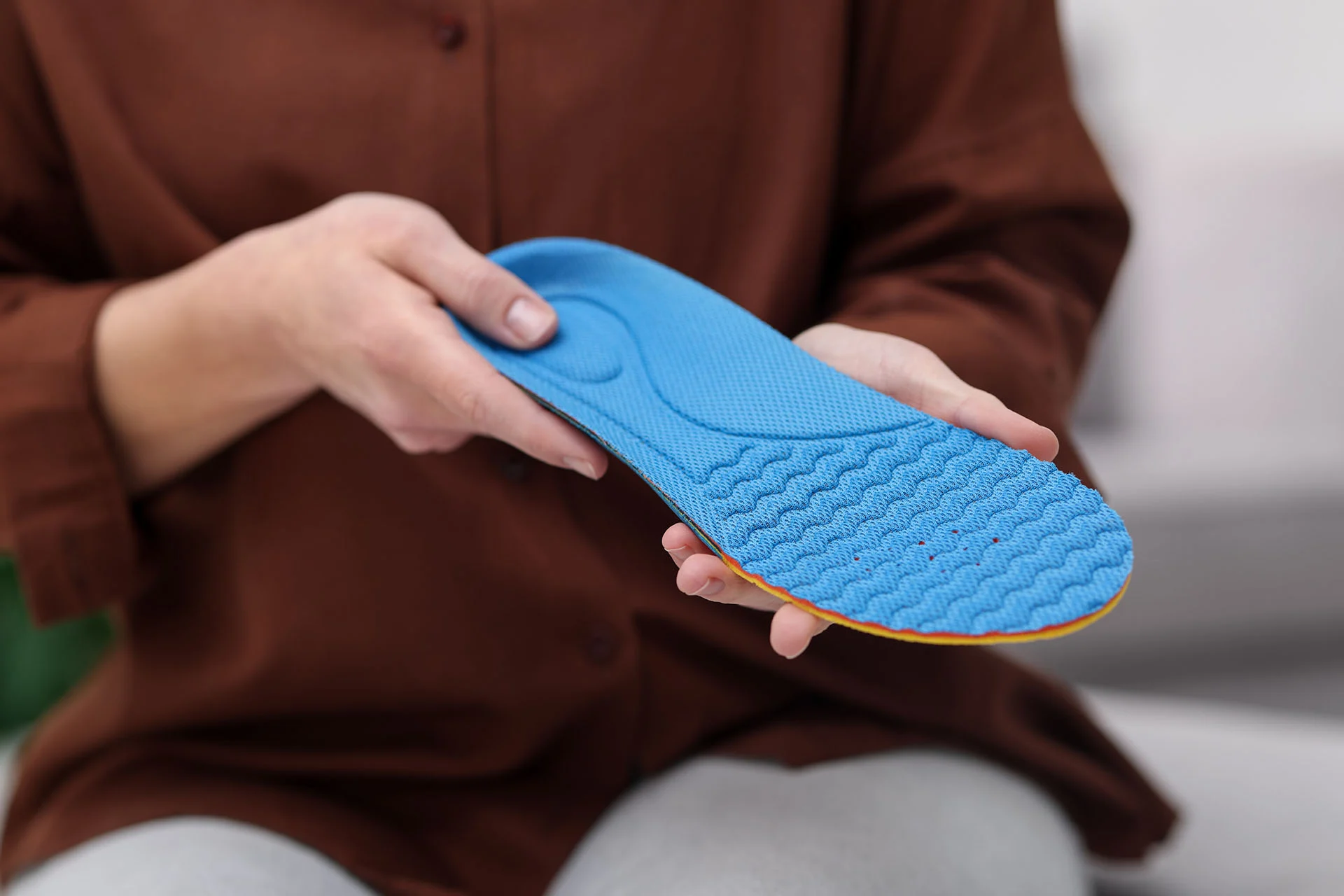
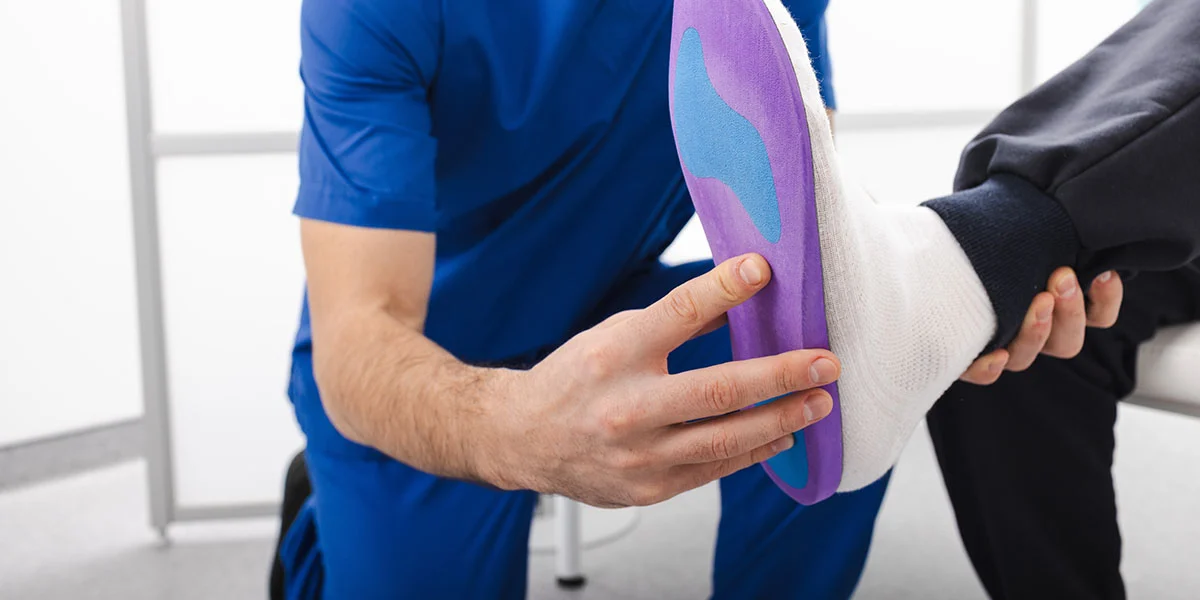
Custom orthotics are custom-molded inserts worn in your shoes to realign the foot and change how load is absorbed through your lower body when you walk, run, or stand.
The word “custom” is the crucial element here. A genuine custom orthotic is created from a precise 3D model of your foot, captured after a clinical evaluation of your foot shape, gait pattern, and unique biomechanics. The resulting insert is designed specifically for your foot, not a standardized model.
This distinction sets custom devices apart from over-the-counter pharmacy insoles. Prefabricated insoles rely on generic sizing and average arch contours, providing basic comfort and cushioning. While that may temporarily soothe mild foot fatigue, it cannot fix underlying structural imbalances, it is essentially an approximate tool applied to a specific problem.
When prescribed following a thorough clinical assessment, a custom orthotic targets the root causes of your symptoms. The final device is built entirely around your individual anatomy, lifestyle demands, and assessment results; no templates, no shortcuts.
Who Benefits Most From Custom Orthotics
Custom orthotics are not a blanket treatment for every case of foot or leg pain. A detailed assessment reveals whether they are the right intervention for your specific condition. The primary presentations that benefit most include:
Plantar Fasciitis
This is the single most common reason active Markham residents turn to custom orthotics. Overpronation pulls tightly on the plantar fascia with every footstrike. Custom orthotics support the arch, relieve pressure on the heel, and correct your foot motion to address the root cause of the pain.
Patellofemoral Pain and Knee Pain
When your feet roll inward, your lower leg rotates with them, pulling the kneecap out of alignment and straining the knee joint. Custom orthotics correct this inward spin at the source, changing how force moves through your knee every time you take a step. It can also help those with ‘knocked knees’ where the knees angle inward (and in extreme scenarios, touch together) while the ankles remain apart.
IT Band Syndrome
Excessive foot roll causes lower-leg twisting that pulls on the IT band during running and court sports. When IT band pain is linked to foot mechanics, custom orthotics provide essential support alongside hip strengthening and movement correction.
Achilles Tendinopathy
Rearfoot motion forces the Achilles tendon to twist while pulling under load. Custom orthotics keep the heel stable, eliminating harmful twisting forces and giving the tendon a chance to recover cleanly. They can also help with proper shock absorption, preventing excess force travelling up the foot and into the Achilles.
Lower Back Pain
Uneven leg lengths, pelvic tilts, and foot pronation throw off weight distribution through the lower back and sacroiliac joints. Stabilizing your stance with custom orthotics builds a solid foundation, providing back pain relief that spinal care alone often misses.
Flat Feet and High Arches
Both structural extremes create biomechanical issues that travel up the kinetic chain. Flat feet collapse inward and stretch tissue, while high arches are stiff and transmit shock straight up the leg. Custom orthotics are tailor-made to balance both foot structures in ways drugstore insoles simply cannot.
Pickleball and Court Sport Athletes
Sharp lateral cuts, split steps, and rapid direction changes demand exceptional foot stability. As Canada’s only RacquetFit Certified healthcare provider, Dr. Cheng evaluates court athletes through a specialized lens, designing orthotics specifically for the dynamic demands of court sports.
The Custom Orthotics Assessment at Rally Point Health and Rehab
The efficacy of an orthotic prescription relies fundamentally upon the thoroughness of the underlying assessment. Here is the exact evaluation protocol conducted at Rally Point Health and Rehab.
Comprehensive History
The assessment opens with a detailed clinical history covering your current presentation, functional demands, footwear habits, and long-term goals. Documenting your training volume, surface conditions, and symptom behavior provides essential context that informs every subsequent diagnostic finding.
Structural Foot Assessment
Dr. Cheng performs a static structural evaluation of your foot, assessing weight-bearing and non-weight-bearing arch height, rearfoot alignment, forefoot position, and side-to-side structural asymmetries. Static metrics are valuable, but they are always evaluated in conjunction with movement data, as static alignment does not always predict dynamic function.
Gait and Movement Assessment
Dynamic performance under weight-bearing movement offers greater clinical value than static posture. Dr. Cheng evaluates gait patterns, foot strike position, the timing and degree of pronation, lower leg rotation, and kinetic chain effects on knee and hip mechanics. For court sport athletes, this phase incorporates sport-specific lateral loading and multi-directional mechanics.
Lower Extremity Biomechanical Assessment
Hip abductor capacity, single-leg stability, ankle dorsiflexion range, and calf compliance directly influence foot mechanics and orthotic responsiveness. For example, restricted ankle dorsiflexion induces compensatory pronation that an orthotic cannot resolve in isolation. These biomechanical findings guide your broader rehabilitation program alongside orthotic therapy.
Footwear Assessment
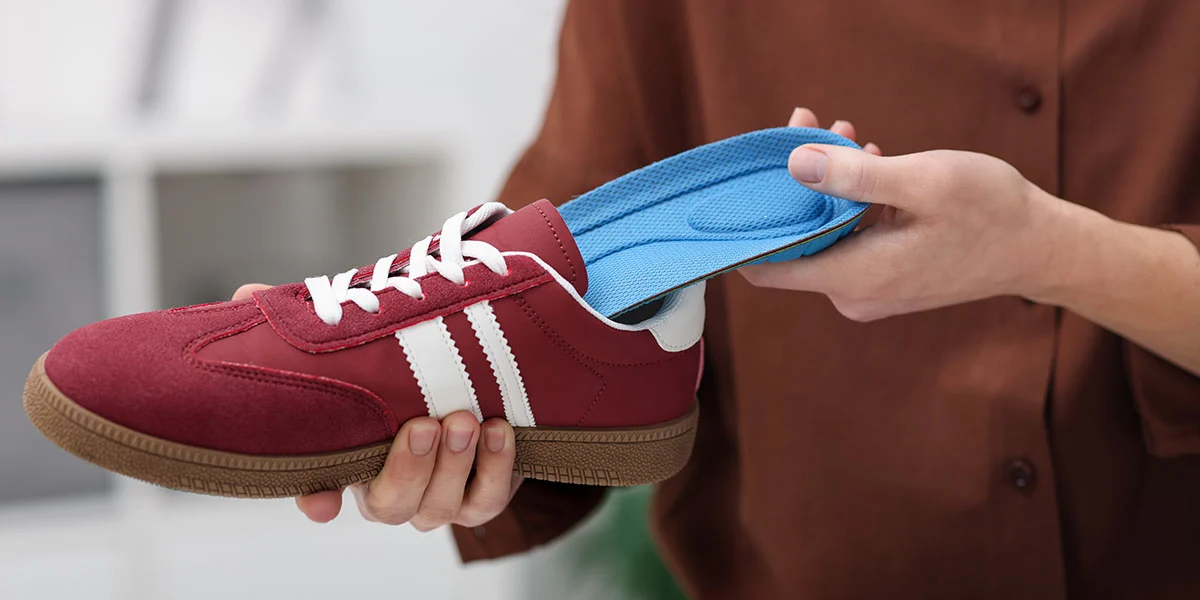
An orthotic operates as part of an integrated unit with your shoe. Dr. Cheng evaluates your current footwear and prescribes specific recommendations regarding shoe category, heel-to-toe drop, and structural properties to optimize your performance. A well-designed orthotic in incompatible footwear yields compromised clinical results.
Foot Impression and Prescription
A precise 3D model of your foot is captured using foam impressions. The resulting prescription explicitly defines rearfoot posting, forefoot corrections, arch volume, and custom accommodations designed to address your exact clinical presentation.
Independent Customization
Each foot is assessed and prescribed as an independent unit. Where anatomical asymmetries exist between sides, the prescription addresses them directly. A device that applies identical corrections to both feet despite structural differences is not a true custom orthotic, but rather a generic device generated from an impression.
After the Assessment: What Happens Next
Fabrication Timeline
Your custom orthotics are produced by a specialized lab according to Dr. Cheng’s exact prescription. Manufacturing usually takes two to four weeks, depending on the lab’s turnaround time and the complexity of your device. Dr. Cheng will provide a more specific estimate during your initial assessment.
The Break-In Period
Adapting to custom orthotics requires a gradual transition. Patients are generally recommended to wear their new devices for two to four hours daily at first, steadily increasing wear time over two to three weeks before transitioning to full-time use. This gradual phase gives your foot and lower limb muscles time to adjust to the modified alignment without causing secondary strain. Bypassing this adjustment phase and wearing the orthotics all day immediately is the leading cause of early discomfort, even with a properly fitted device.
Integration Into Your Treatment Plan
At Rally Point Health and Rehab, orthotics serve as one piece of a broader, integrated care plan rather than an isolated fix. While the orthotic supports proper foot mechanics, active rehabilitation builds the strength and movement quality needed to address underlying biomechanical issues. Concurrently, hands-on manual therapy targets joint stiffness and soft-tissue irritation. Combined, these three elements deliver a complete, coordinated recovery strategy.
Longevity and Insurance Coverage
With routine wear, high-quality custom orthotics generally last two to three years. Prescriptions from a licensed healthcare provider are typically covered under most Ontario extended health insurance policies up to your yearly or multi-year limit. Rally Point Health and Rehab provides direct billing for most major insurance providers, and Dr. Cheng can help clarify your plan’s details during your consultation.
Frequently Asked Questions
Ready to Find Out If Custom Orthotics Are Right for You?
A comprehensive clinical evaluation at Rally Point Health and Rehab provides a transparent, straightforward recommendation on whether custom orthotics suit your unique needs. You will learn exactly what your prescription aims to correct and how these devices integrate into a complete treatment plan designed to restore pain-free movement.
Book a free 15-minute consultation today. Call or text (647) 780-8703 or email hello@rallypointhealth.ca. No referral required.
Dr. Nicholas Cheng is the founder of Rally Point Health and Rehab, a chiropractic and rehabilitation clinic located inside South Unionville Health Centre in Markham, ON. He is the only RacquetFit Certified healthcare provider in Canada and a Level 1 Certified Pickleball Coach, with hands-on experience treating patients across Markham, Unionville, Richmond Hill, Scarborough, North York, and the greater GTA.